
SBI Gram Seva
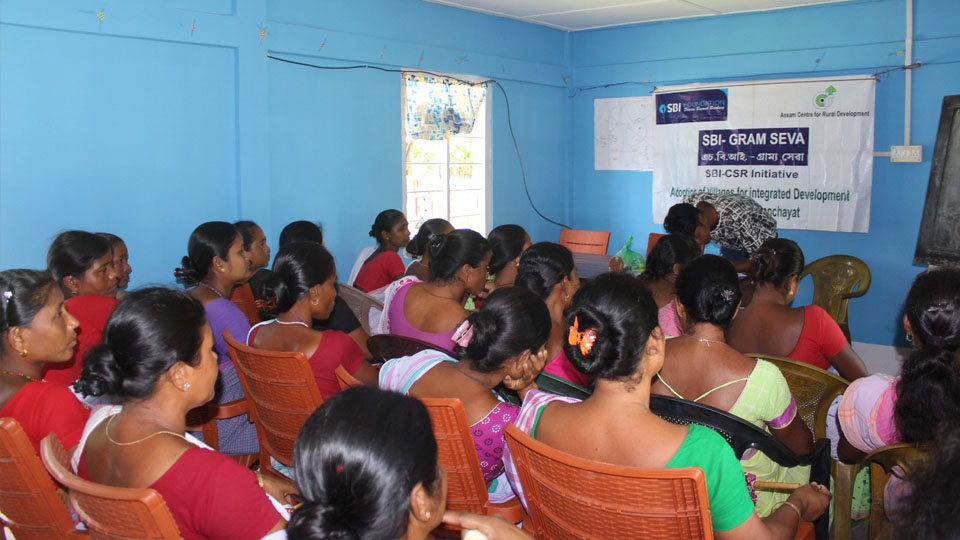
The SBI Gram Seva Project is a flagship programme of the State Bank of India Foundation, focusing on the holistic development of the five most remote and backward villages in Baksa district. ACRD implemented this project from 2017 to 2022 in the villages of Doomni, Dekadong, Arnibil, Ahopa, and Sonapur, aiming to improve the overall quality of life in these communities.
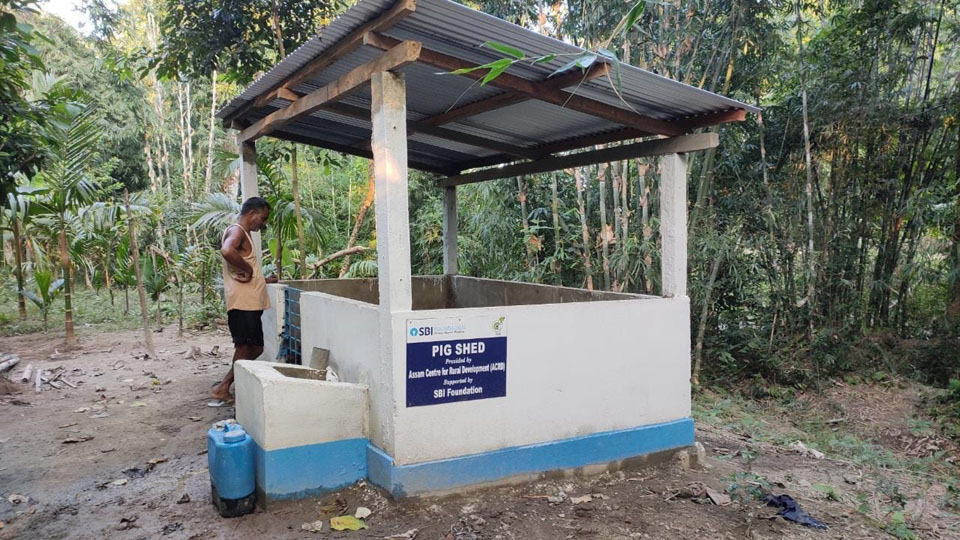
Under the SBI Gram Seva program's livelihood and skill development component, ACRD aimed to enhance livelihood opportunities for villagers in adopted communities. From 2017 to 2020, approximately 534 beneficiaries—including women, youth, farmer groups, and disabled individuals—received skill training in areas such as piggery, goatery, vermi-composting, tailoring, mobile repairing, jute crafts, and home nursing. Collaborating with institutes like the Rural Self Employment Training Institute (RSETI) in Kumarikata, ACRD distributed resources such as piglets, tree saplings, sewing machines, weaving loom stands, and more, supporting initiatives like the SBI-Prerna tailoring unit in Sonapur village. Over 100 women have enrolled in the SBI-Prerna center, with many establishing successful independent tailoring ventures to improve their livelihoods. From 2020 - 2022, the program entered into a sustainability phase, focusing on ensuring the continued impact and self-reliance of its beneficiaries.
Milestones:
- BPL families benefitted - 3000
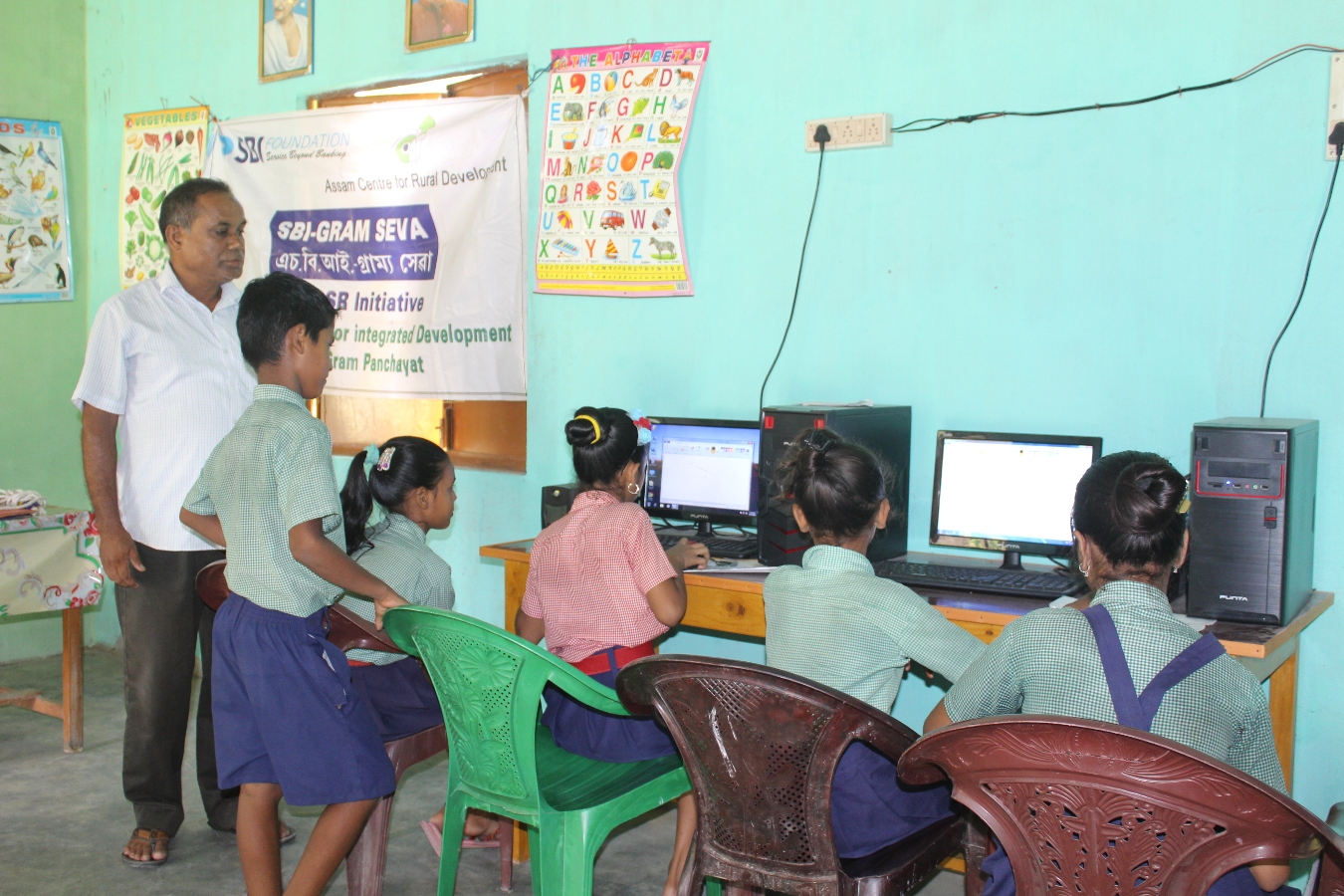
- Digital classroom - 5
- Computer set up - 20
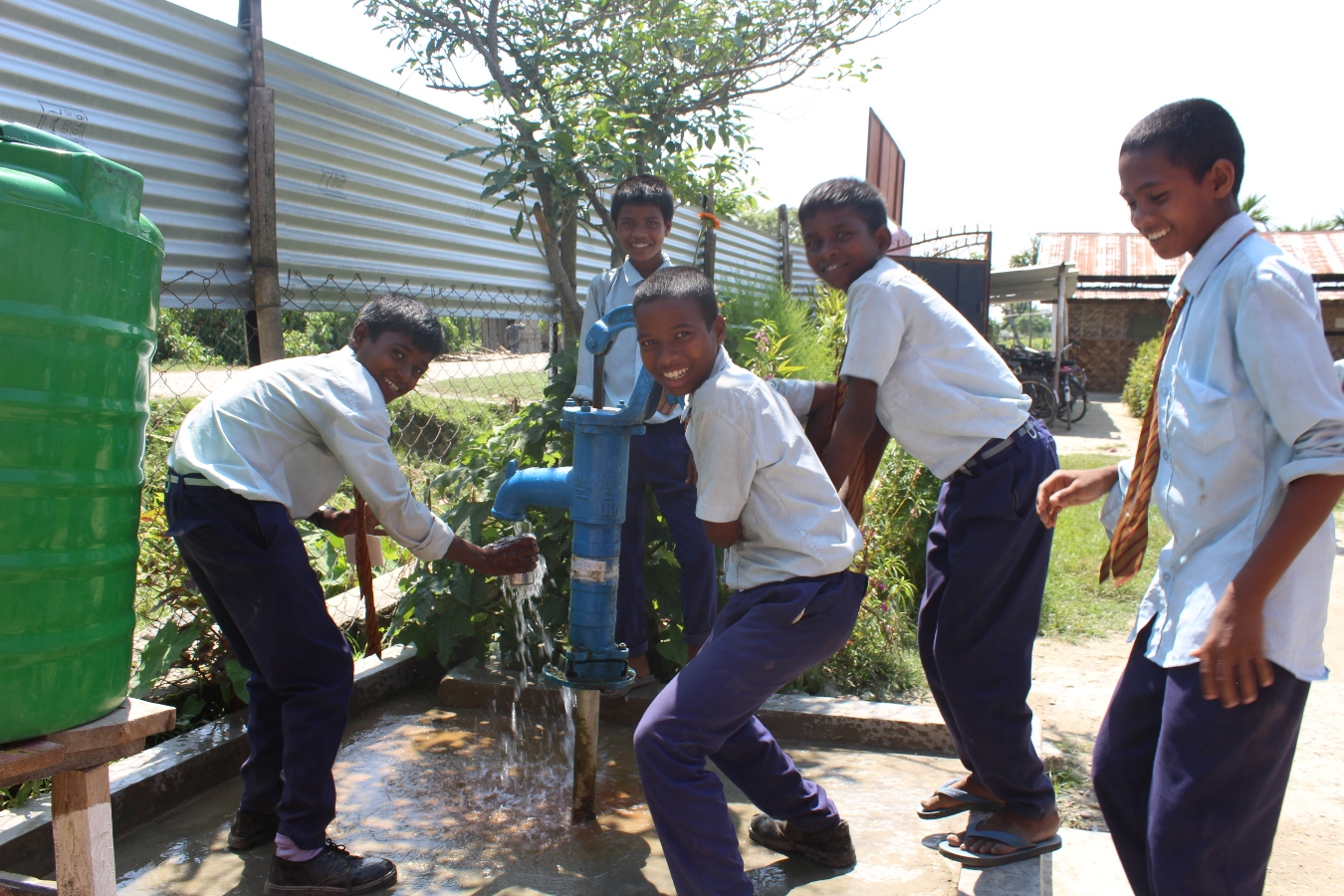
- Hand-pumps installed - 63
- Infrastructure repair - 22
- Community Toilets - 10
- Solar street lights -130
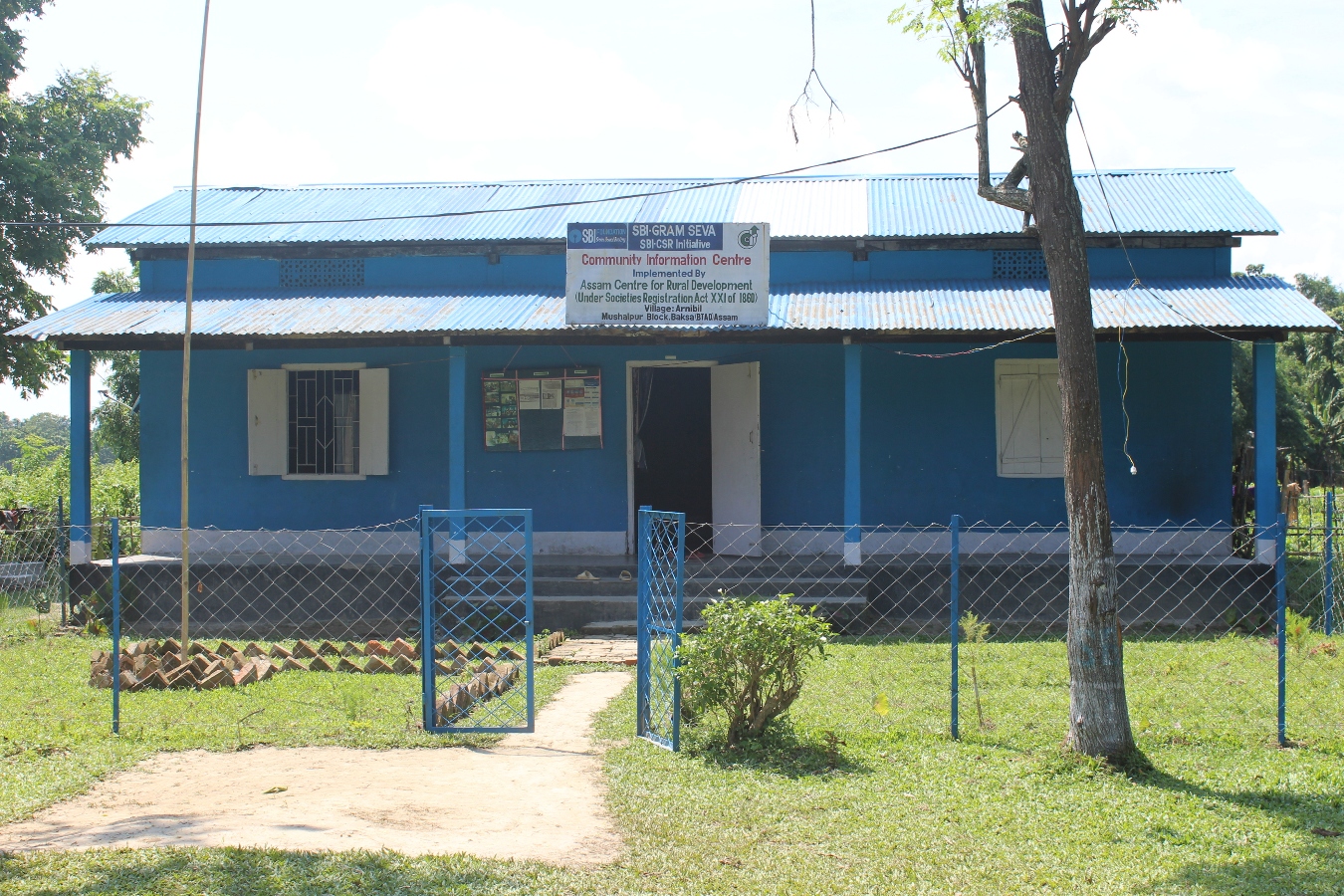
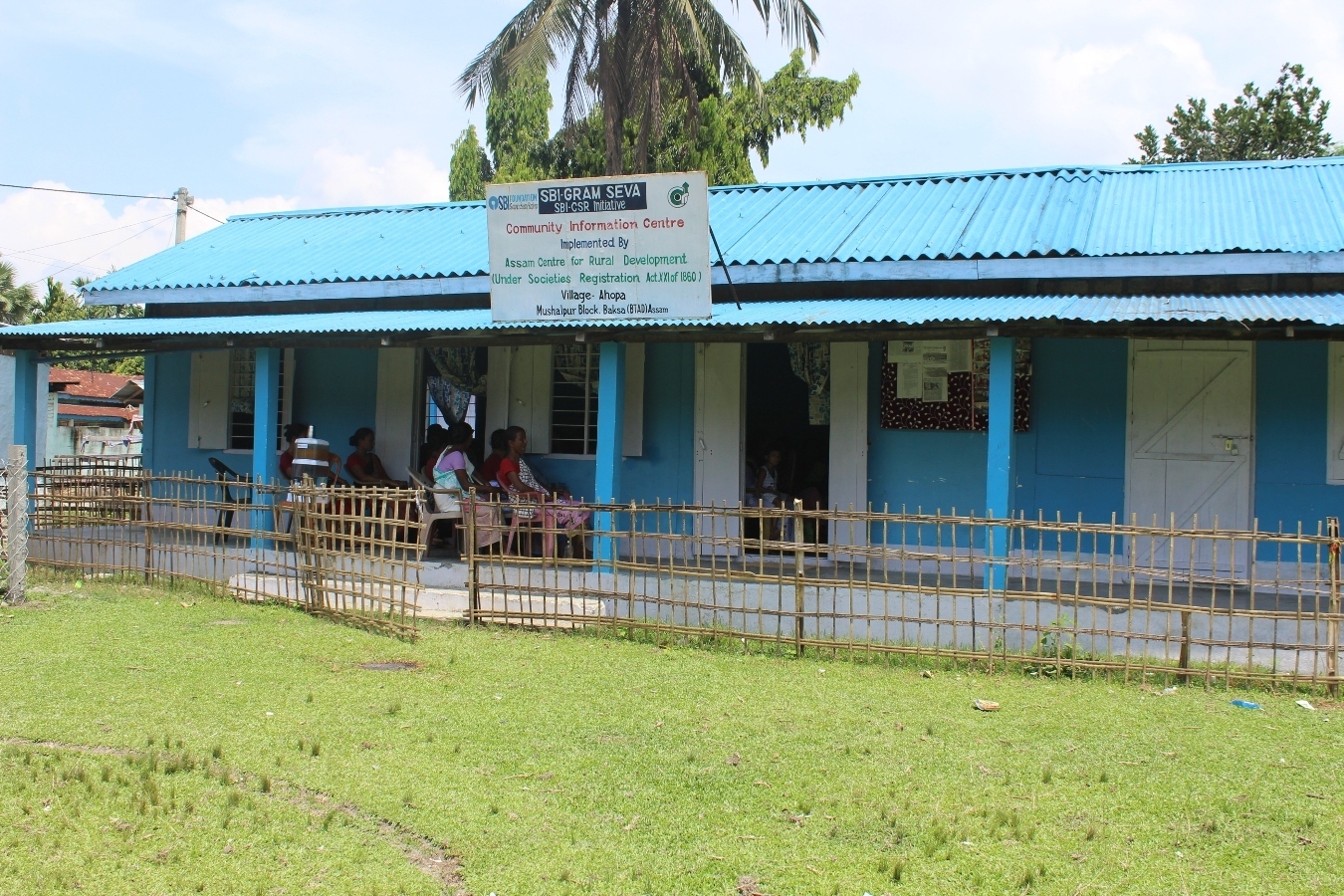
- Community Information Centre (CIC) – 5
Environment:
Under the Gram Seva initiative, ACRD made significant strides in environmental conservation and improving access to clean water. They installed 63 hand pumps and water tanks to enhance drinking water accessibility and set up three rainwater harvesting units.
Additionally, they renovated three ponds for water conservation and planted around 2,000 saplings in and around the villages, showcasing their commitment to environmental betterment.
Infrastructure:
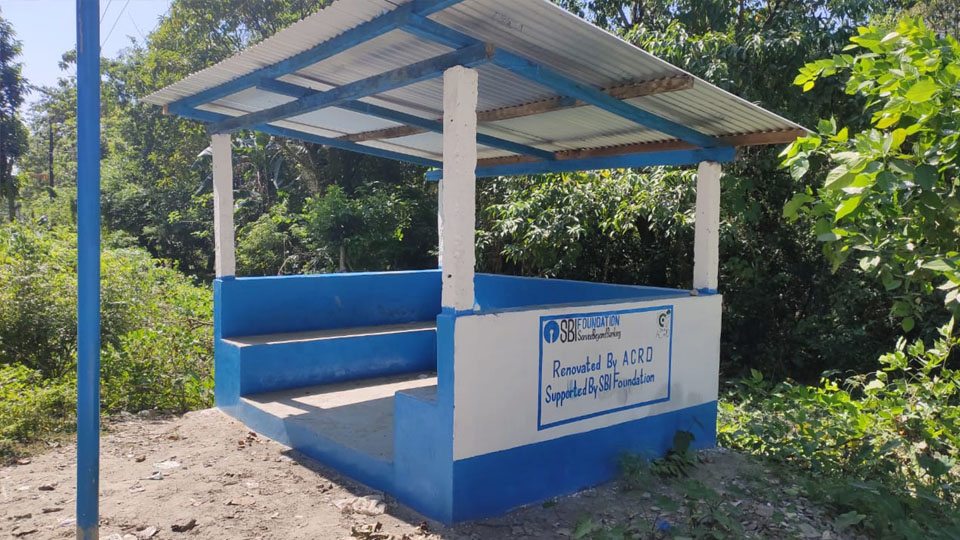
Under the Gram Seva initiative, ACRD focused on infrastructure development by repairing and renovating 22 public buildings, including schools, toilets, community halls, and passenger resting houses, enhancing the overall living conditions and facilities available to the community.
Education component of Gram Seva:
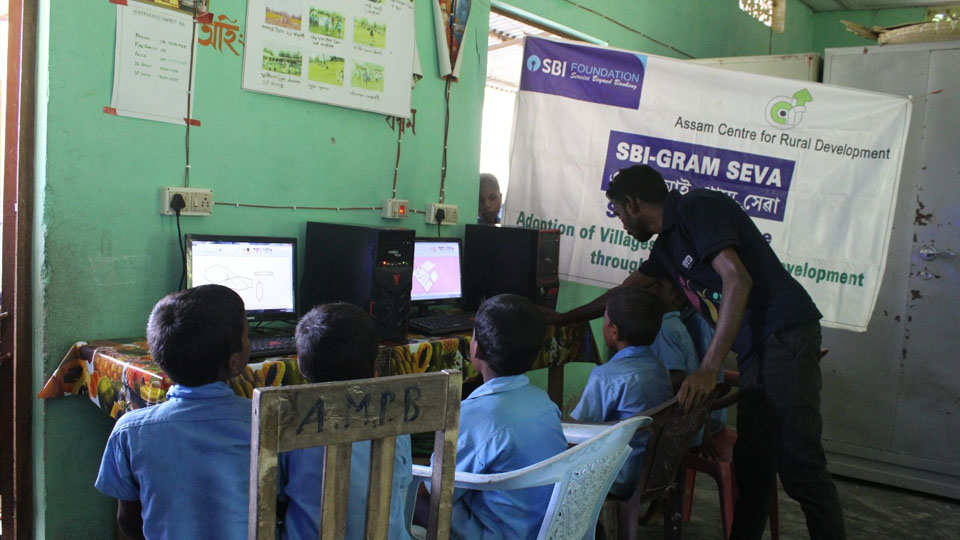
Under the education component of the Gram Seva initiative, ACRD set up 20 computers and five digital classrooms in local schools. Additionally, thirteen students from poor families were awarded the SBI Talent Scholarship for their achievements in sports and academics. The initiative also provided remedial classes for students to enhance their learning outcomes.
Making education a priority:
Under The SBI Gram Seva programme, remedial classes were given to middle and high schoolers in the target villages with the aim of assisting them by providing them with quality education. Students who took the classes did better than their peers in school, and this served as motivation for them to continue the classes. Remedial classes are still being held in four villages, viz., Sonapur, Ahopa, Doomni, and Dekadong. In order to keep the classes running, the parents of the children who are still enrolled in them pay a nominal fee to the faculty.